
En 1890, la electricidad ya existía. Las fábricas podían conectarse a la red. Los ingenieros entendían cómo funcionaba el dínamo. Y aun así, la productividad industrial tardó cuatro décadas más en despegar.
Hoy, en 2026, muchos líderes de empresa están viviendo una versión moderna de esa misma historia. Tienen acceso a modelos de lenguaje, copilots, dashboards con IA. Y aun así, los resultados no terminan de aparecer. Las decisiones siguen siendo lentas. Los datos siguen siendo opacos. La organización sigue funcionando igual que antes.
No es un problema de tecnología. Es un problema de cómo se adopta.
La historia que Paul David contó en 1990
El economista Paul David publicó en 1990 un paper que se volvió seminal: “The Dynamo and the Computer”. Su pregunta era simple: ¿por qué la electrificación, una de las mayores revoluciones tecnológicas de la historia, no se tradujo en ganancias de productividad durante décadas?
La respuesta que encontró fue incómoda: las empresas adoptaron la nueva tecnología sin cambiar nada de lo que hacía que la vieja tecnología funcionara.
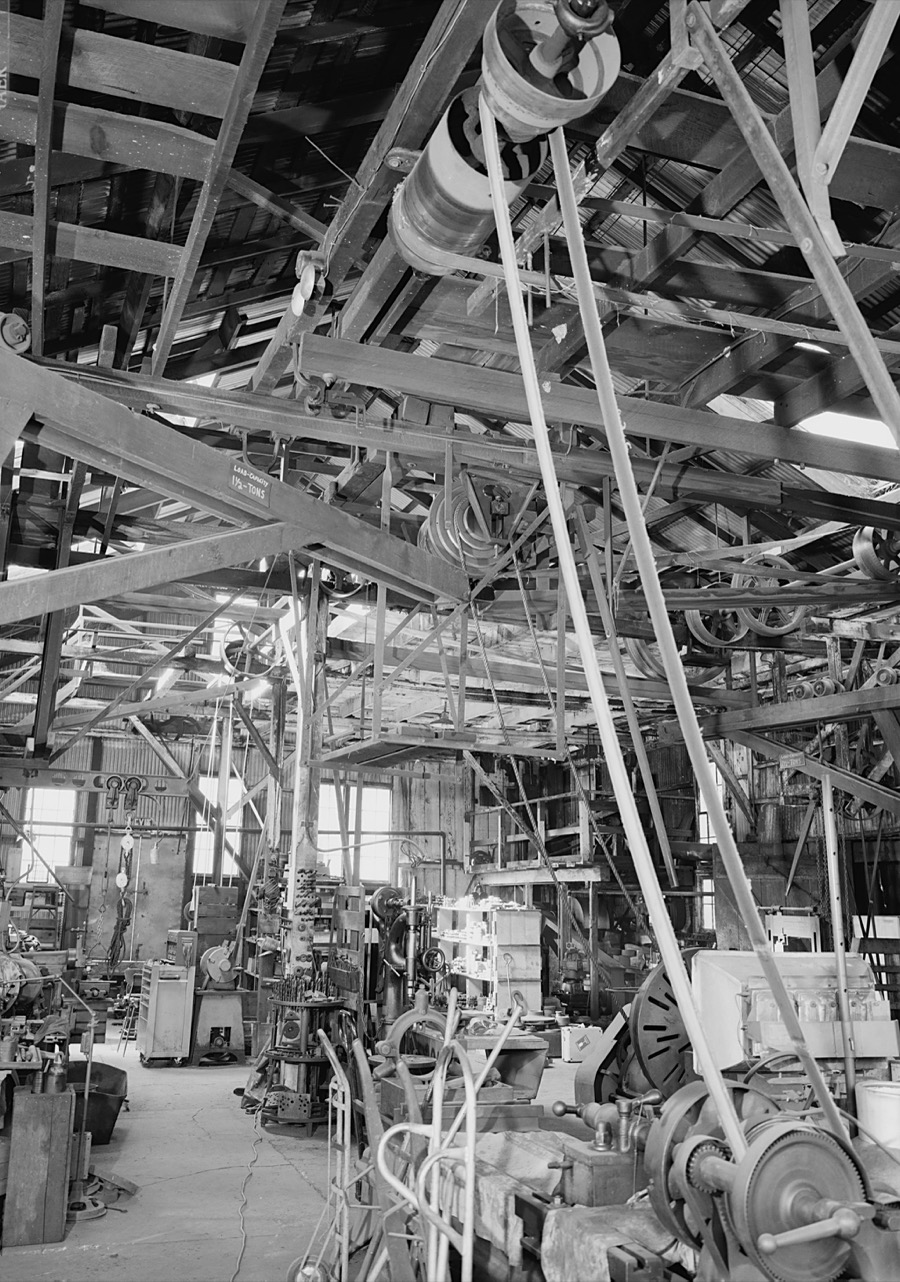
Cuando llegó la electricidad, los dueños de fábricas simplemente reemplazaron el motor a vapor central por un motor eléctrico central. Mantuvieron la misma arquitectura vertical de varios pisos, los mismos ejes de transmisión, las mismas correas mecánicas. Pusieron tecnología nueva en un esquema viejo.
El salto de productividad real llegó cuando alguien tuvo la idea radicalmente diferente de dar a cada máquina su propio motor. Eso permitió rediseñar las fábricas de forma horizontal, optimizando el flujo de materiales, eliminando cuellos de botella, simplificando la operación. Cambió el proceso, no solo la herramienta.
Eso tardó cuarenta años.
El error que se repite hoy
Mirá lo que está pasando en la mayoría de las empresas con la IA.
Se compra una licencia de Copilot para que los analistas escriban código más rápido. Se integra un chatbot en el call center. Se usa un modelo de lenguaje para redactar emails. Todo eso está bien. Pero es exactamente lo mismo que enchufar un motor eléctrico al eje de transmisión viejo: tecnología nueva, proceso igual.
El resultado es lo que David llamaría el error plug-and-play: adoptás la herramienta pero no rediseñás el flujo. La IA acelera pasos individuales, pero el proceso sigue siendo el mismo proceso. Y el proceso es el problema.
¿Cuántas decisiones en tu empresa todavía dependen de un analista que tarda tres días en armar un Excel? ¿Cuántas reuniones se hacen para “revisar los números” que deberían estar disponibles en tiempo real? ¿Cuántos proyectos estratégicos se frenan porque alguien necesita un reporte que no existe?
La IA no resuelve eso si el proceso sigue igual.
Lo que realmente tiene que cambiar
La lección del dínamo no es que hay que esperar. Es que el valor real de una tecnología de propósito general solo emerge cuando se rediseña el proceso desde cero alrededor de ella.
En el caso de la IA aplicada a los datos —que es donde se toman las decisiones que mueven el negocio— eso significa pasar de un modelo donde los datos son un insumo para reportes, a un modelo donde los datos son la infraestructura viva sobre la que opera la empresa.
No es “tener un dashboard”. Es que cuando el gerente comercial quiere entender por qué cayeron las ventas en una región, la respuesta está disponible en minutos, no en días. No es “hacer análisis”. Es que los sistemas detectan anomalías antes de que se conviertan en problemas, alertan, actúan.
Esa diferencia —entre IA que asiste tareas y IA que transforma procesos— es exactamente la brecha que separa a las empresas que van a liderar la próxima década de las que van a seguir corriendo de atrás.
El nuevo cuello de botella: los datos
Hay una ironía en todo esto. Las empresas que más invierten en IA muchas veces son las que menos la aprovechan, porque se chocan contra el mismo muro: sus datos no están listos para que la IA trabaje sobre ellos.
Los datos están dispersos en silos. Hay tres versiones distintas de la misma métrica según a quién le preguntés. El ERP no habla con el CRM. Los reportes se construyen a mano cada mes. Y nadie tiene claro cuál es la fuente de verdad.
En ese contexto, la IA más sofisticada del mundo no puede hacer nada útil. Es como tener el mejor motor eléctrico disponible conectado a una fábrica donde nadie sabe dónde están los cables.
El verdadero cuello de botella no es el modelo de lenguaje. Es la infraestructura de datos.
La fábrica rediseñada para la era de la IA
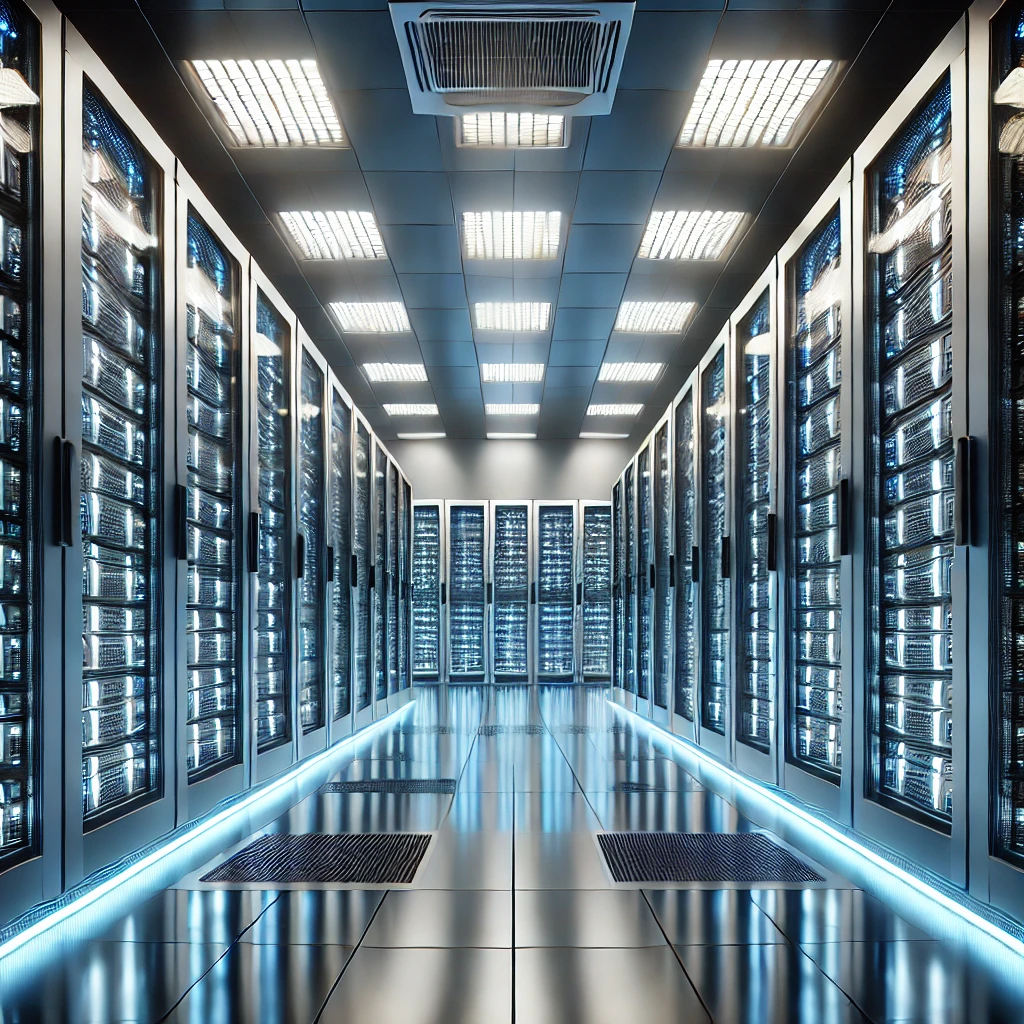
Lo que las empresas más avanzadas están construyendo hoy —y lo que va a definir quién gana en los próximos años— es lo que podríamos llamar una fábrica de datos moderna: una infraestructura donde los datos fluyen de forma automática, están siempre actualizados, son confiables, y están disponibles para ser consumidos por IA, por personas, o por sistemas en tiempo real.
No es un proyecto de IT de dos años. No requiere un equipo de 20 data engineers. Eso era el modelo viejo.
El modelo nuevo combina agentes de IA especializados que construyen y mantienen esa infraestructura de forma autónoma, reduciendo el tiempo de implementación de meses a días, y el costo de mantenimiento a una fracción de lo que requería antes.
El resultado es concreto: un líder de negocio puede explorar los datos de su operación, detectar patrones, anticipar problemas y tomar decisiones —sin esperar un reporte, sin pedirle nada a IT, sin depender de un analista que está haciendo otras diez cosas al mismo tiempo.
Eso es lo que significa rediseñar el proceso, no solo cambiar la herramienta.
Paciencia estratégica, no espera pasiva
Paul David terminaba su paper con una idea que vale la pena repetir: el lag de productividad no es una señal de que la tecnología falla. Es una señal de que la transformación real requiere tiempo, pero sobre todo requiere intención.
Las empresas que ganaron con la electrificación no fueron las primeras en comprar un motor eléctrico. Fueron las que tuvieron la visión de rediseñar la fábrica entera.
Las empresas que van a ganar con la IA no son necesariamente las que más gastan en licencias de modelos. Son las que entienden que el valor no está en la herramienta, sino en cómo se reorganiza todo el flujo de trabajo alrededor de ella.
Y en el centro de ese flujo —en el corazón de cualquier decisión estratégica— siempre hay datos. Datos que deben ser confiables, actualizados y accionables.
Esa es la fábrica que vale la pena construir hoy.